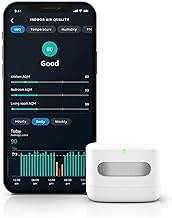
I recently bought an air quality monitor device
for my home because I have been worried about pollution and indoor air quality. I wanted to track PM2.5, VOCs, and CO2 levels to make sure my family is safe. The device seems high tech but I am not sure if I am using it correctly. Sometimes the readings fluctuate a lot and I do not know if it is a problem with the device or actual air changes. I also want to understand which readings are critical and what actions I should take when they spike. Should I run the air purifier more often or ventilate the home differently? Are there any tips for placing the monitor in the best spot? I would love to hear from people who have experience with these devices and any advice on interpreting the data. How accurate are they really and do they make a big difference for health? 
I have been using an air quality monitor for a few months and it really opened my eyes. Placing it in the living room near where the family spends most time gives the most useful readings. I noticed spikes when cooking or using cleaning sprays. Adjusting ventilation and using a purifier helped a lot.
Some monitors can be very sensitive and sometimes show small fluctuations that are not a real concern. I usually look at trends over time rather than individual readings. It makes it easier to understand air quality patterns and take appropriate action.
Thank you I will try monitoring trends instead of panicking over spikes!
I placed my monitor near a window and realized that outdoor pollution affects indoor readings significantly. I make sure to close windows during high AQI days and ventilate when air quality is better. It is amazing how much difference it makes.
Monitoring PM2.5 and CO2 is particularly useful. High CO2 indicates poor ventilation and can make the home feel stuffy. I run the air purifier more during cooking or when guests are over. It keeps the air fresh.
Some devices also track VOCs from cleaning products or paints. I learned to use milder products and ventilate after cleaning. The monitor helped me realize that indoor air quality can be worse than outdoor sometimes.
I sometimes get alerts from the device on my phone. It helps plan daily routines like when to exercise indoors or open windows. It feels like having a personal air quality assistant. It is very practical.
That is a great point I did not think of before.
Placement matters a lot. Avoid placing it directly near air purifiers or vents because readings can be misleading. I keep mine on a table at breathing height to get accurate results.
For children or elderly people, monitoring indoor air is especially important. I make sure my kids’ rooms have stable air quality and use the monitor readings to decide when to open windows or run the purifier.
Some monitors allow connecting multiple sensors in different rooms. I added a few in the kitchen and bedroom. It helps see the variation across the house and take targeted actions. It is very useful.
Reading the data over time helps me see patterns like high pollution during rush hours or certain weather conditions. This makes it easier to prevent exposure instead of reacting after symptoms appear.